Compre­hensive support for you, your patients, and your team

My Compass Support is a dedicated program that serves patients who are prescribed LISRAYA as well as their healthcare providers.

About My Compass Support

We will work with you and your team to help your patients throughout their treatment journey.

Patient Access Liaison (PAL)

A dedicated single point of contact for your patients and your team on all topics related to LISRAYA access.

Benefits and authorization

Benefits investigation, detailed authorization requirements, and submission support.

Bridge Program

Helping your patients avoid delays in treatment if an authorization request is denied.

Cost assistance

Patients may be able to pay as little as $0* a month for LISRAYA.

Specialty pharmacy coordination

Ensuring that your patients receive their monthly shipments of LISRAYA seamlessly.

Committed to providing access and cost assistance for your patients

Copay assistance

Eligible commercially insured patients may pay as little as $0* through the My Compass Support Copay Savings Program.

The PAL can also help your Medicare/Medicaid patients identify organizations that may be able to provide cost assistance.

My Compass Support Bridge Program

We are committed to ensuring that any delays in coverage won’t impact your patient’s care. If a LISRAYA authorization for your patient is initially denied and an appeal is submitted, your patient may qualify to receive medication at no cost while their appeal is pending so that they can still begin treatment quickly.

Getting patients started with LISRAYA

Start your patients on LISRAYA by submitting a prescription and enrolling them in My Compass Support. Submit the enrollment using one of two convenient options.

Download the form, fill it out, then sign and fax the form to 1-844-341-0485 OR email it to mcs@priovant.com.

Fill out the form, sign, and submit online through Docusign.

Resources

Download information about LISRAYA and My Compass Support, and helpful tools for the reimbursement process.
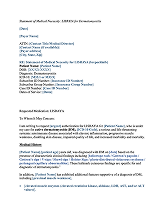
Statement of medical necessity

A sample letter outlining the clinical rationale for a LISRAYA prior authorization or medical exception request.
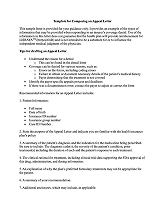
Letter of appeal

A sample letter responding to a denied claim for LISRAYA.
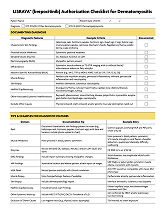
Authorization checklist

A quick guide to what information to include in a LISRAYA authorization submission.

Patient brochure

A guide to help your patients learn more about LISRAYA.

My Compass Support brochure

An overview of our dedicated support program for LISRAYA patients and providers.

Important Safety Information and Indication and Usage

Warning: Serious infections, mortality, malignancy, major adverse cardiovascular events (MACE), and thrombosis

Indications and usage

LISRAYA (brepocitinib) is indicated for the treatment of adults with dermatomyositis (DM).

Limitations of Use

Not recommended for use in combination with other JAK inhibitors, other TYK2 inhibitors, or biologic DMARDs.

Warnings and Precautions:

Serious infections. Patients treated with LISRAYA are at increased risk of developing serious bacterial, fungal, viral, and opportunistic infections that may lead to hospitalization or death.

Reported infections with use of Janus kinase (JAK) inhibitors, including LISRAYA:

  • Active tuberculosis (TB), which may present with pulmonary or extrapulmonary disease. Evaluate and test patients for latent and active TB infection prior to and during LISRAYA treatment. If positive, treat for TB. Monitor all patients for active TB during treatment including patients who tested negative for a latent TB infection prior to LISRAYA treatment.
  • Invasive fungal infections. Patients with invasive fungal infections may present with disseminated, rather than localized, disease.
  • Bacterial, viral (including herpes zoster), and other infections due to opportunistic pathogens.

Avoid use of LISRAYA in patients with an active, serious infection, including localized infections. Consider the risks and benefits of LISRAYA in patients with chronic or recurrent infection prior to initiating treatment. Closely monitor patients for signs and symptoms of infection during and after treatment with LISRAYA. If a serious infection occurs, interrupt LISRAYA treatment until the infection resolves or is adequately treated.

Mortality. A higher rate of all-cause mortality, including sudden cardiovascular death, was observed with another Janus kinase (JAK) inhibitor when compared to tumor necrosis factor (TNF) blockers in patients with rheumatoid arthritis (RA) 50 years of age and older with at least one cardiovascular risk factor. LISRAYA is not approved for use in patients with RA.

Malignancy. Malignancies have occurred in patients treated with LISRAYA. A higher rate of malignancies (excluding non-melanoma skin cancer), lymphomas, and lung cancers was observed with another JAK inhibitor when compared to TNF blockers in patients with RA. LISRAYA is not approved for use in patients with RA. Patients who are current or past smokers are at additional increased risk.

Major Adverse Cardiovascular Events (MACE). Major adverse cardiovascular events (MACE) (defined as cardiovascular death, myocardial infarction, and stroke) have occurred in patients treated with LISRAYA. A higher rate of MACE was observed with another JAK inhibitor when compared to TNF blockers in patients with RA 50 years of age and older with at least one cardiovascular risk factor. LISRAYA is not approved for use in patients with RA. Patients who are current or past smokers are at additional increased risk. Discontinue LISRAYA in patients who have experienced a myocardial infarction or stroke.

Thrombosis. Thromboses, including deep venous thrombosis, pulmonary embolism, and arterial thrombosis, have occurred in patients treated for inflammatory conditions with JAK inhibitors, including LISRAYA. Many of these adverse reactions were serious and some resulted in death. A higher rate of thromboses was observed with another JAK inhibitor when compared to TNF blockers in patients with RA 50 years of age and older with at least one cardiovascular risk factor. LISRAYA is not approved for use in patients with RA. Avoid LISRAYA in patients who may be at risk of thrombosis. If symptoms of thrombosis occur, discontinue LISRAYA, promptly evaluate, and appropriately treat.

Hypersensitivity. LISRAYA is contraindicated in patients with known hypersensitivity to brepocitinib or any of its excipients. Hypersensitivity reactions were reported in patients receiving LISRAYA. Some events were serious.

Gastrointestinal Perforations. Gastrointestinal perforation has been reported in patients treated with JAK inhibitors, including LISRAYA. Monitor LISRAYA-treated patients who may be at risk for gastrointestinal perforation.

Hypoglycemia in Patients with Diabetes. LISRAYA may cause hypoglycemia in patients with diabetes. Hypoglycemia, including severe hypoglycemia, has been reported following initiation of JAK inhibitors in patients with diabetes. During treatment with LISRAYA, consider increased monitoring of blood glucose as clinically indicated in patients with diabetes.

Laboratory Abnormalities. LISRAYA has been associated with lab abnormalities including neutropenia, lymphopenia, anemia, increases in lipid parameters, and liver enzyme elevations.

Immunizations. Avoid use of live vaccines during or immediately prior to LISRAYA therapy initiation. Prior to initiating LISRAYA treatment, update immunizations, including prophylactic varicella zoster or herpes zoster vaccinations, according to current immunization guidelines.

Embryofetal Toxicity. Based on findings in animal studies, LISRAYA may cause fetal harm when administered to a pregnant woman. Verify the pregnancy status of females of reproductive potential prior to starting treatment. Advise pregnant women and females of reproductive potential of the potential risk to the fetus. Advise females of reproductive potential to use effective contraception during treatment with LISRAYA and for 3 days following the last dose.

Adverse reactions

The most common adverse reactions occurring in ≥5% of DM subjects and ≥2% greater than placebo were upper respiratory tract infection, headache, fatigue, urinary tract infection, nausea, bronchitis, arthralgia, diarrhea, back pain, fall, influenza, and acne.

Special populations

Pregnancy. Based on findings in animal studies, LISRAYA may cause fetal harm when administered to a pregnant woman. Available data from LISRAYA use in pregnant women are insufficient to establish a drug-associated risk of major birth defects, miscarriage or adverse maternal or fetal outcomes.

Lactation. There are no data on the presence of brepocitinib in human milk, the effects on the breastfed infant, or the effects on milk production.

Hepatic Impairment. LISRAYA is not recommended in patients with severe hepatic impairment.

Renal Impairment. LISRAYA is not recommended in patients with severe renal impairment.

Please see the Full Prescribing Information, including BOXED WARNING and Medication Guide.